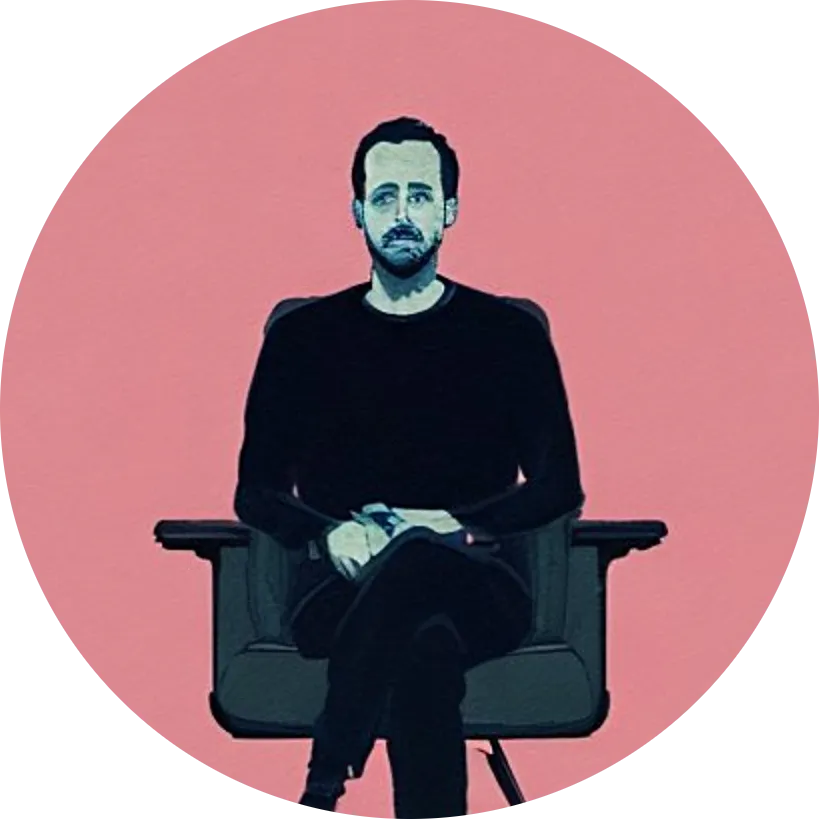
The time my job made me think I was dying
Or, how I didn't learn to stop worrying.When I woke up that Monday morning, something felt wrong. My chest felt tight, and almost like it was vibrating. My heart seemed to be racing, but when I pressed a finger to my neck my pulse was steady and normal. I told myself it was nothing and lay there for a while, breathing, waiting for the feeling to pass, but it didn’t. For nearly an hour I slipped back and forth between this is normal and I am definitely not okay, unable to decide on which was true.
I’d been a developer at one of Canada’s most prominent tech companies for years. Long enough to have accumulated significant context and ownership, and long enough to have something to lose.
It started suddenly that morning. The tightness came and went in waves, and with it the feelings of fear and dread. I became distrustful of my own body. Why was it turning on me like this? I struggled to think about anything other than what was happening. I called in sick to work. I tried watching television, playing games, looking at my phone. I could distract myself for a few minutes but inevitably the panic would come back.
My partner came to support me. We spent the day on low-stakes activities. That evening, I started rewatching an old favourite television show. We ordered takeout. I was still convinced there was something wrong with my body, but in the moments when I was distracted, I was able to not worry as much.
I woke up the next night, panicked, with the same tight feeling, checking my pulse over and over again. This is it, I thought, I have to go to the hospital. I wondered whether I could drive myself or if I should call someone. It was three o’clock in the morning.
My company moved with a sense of constant urgency. Every decision was mission-critical. Every request was priority zero. During review time, you were pitted against your peers and ranked based on your ability.
We were constantly pivoting. Urgent priorities became irrelevant or forgotten over a matter of days. We would pour days into Feature X and then be told that Feature Y was the new big thing. We moved so quickly that nothing seemed to be tested or maintained. It felt like building houses of cards as fast as possible on top of other houses of cards.
Big tech has always been about urgency but I feel as though in the last few years we’ve seen more glorification of velocity, of hustle, of a willingness to break things and people, in order to deliver the next thing. Leaders openly say how important it is to move fast, and then faster the next day. Hiring managers have openly pivoted to hiring based on ambition or hustle over all else.
I didn’t see this building.
I didn’t take myself to the hospital. I made it through the night and called in sick again. I spent more time with my partner. I visited a clinic in the afternoon and a doctor wrote me a note saying I was to take the rest of the week off due to stress. The holiday break was also coming up, so I had time to rest and disconnect.
I had never had a panic attack before. Peripherally, I knew what they were, but that doesn’t prepare you for the terror, the confusion, the feeling that your body is betraying you. It was impossible to logic my way to safety in those moments.
I wish I could say that there came some moment of clarity, that this was a learning experience, a one-off. But going through this doesn’t inoculate you against it ever happening again.
I’m in a better place now, in a new role with a better sense of what I’ll tolerate. I’m okay, but it doesn’t change where I think the industry is heading. I just know myself a little better than I did then.
The best thing I can do is keep checking my pulse.